Twenty-five years on deck. Deliveries, solo crossings, seasons spent guiding crews from Ushuaia toward the deep South. Sailing first as refuge, then as language, then as the only life that made sense.
This is not a calling born in books. It is a trajectory built cape after cape, in the deliberate repetition of demanding conditions, where the sea leaves no room for approximation. Season after season, guiding passengers beyond the Drake. Then setting off again, alone, further south, looking for the hard because the hard does not lie.
From the margins to the full circle
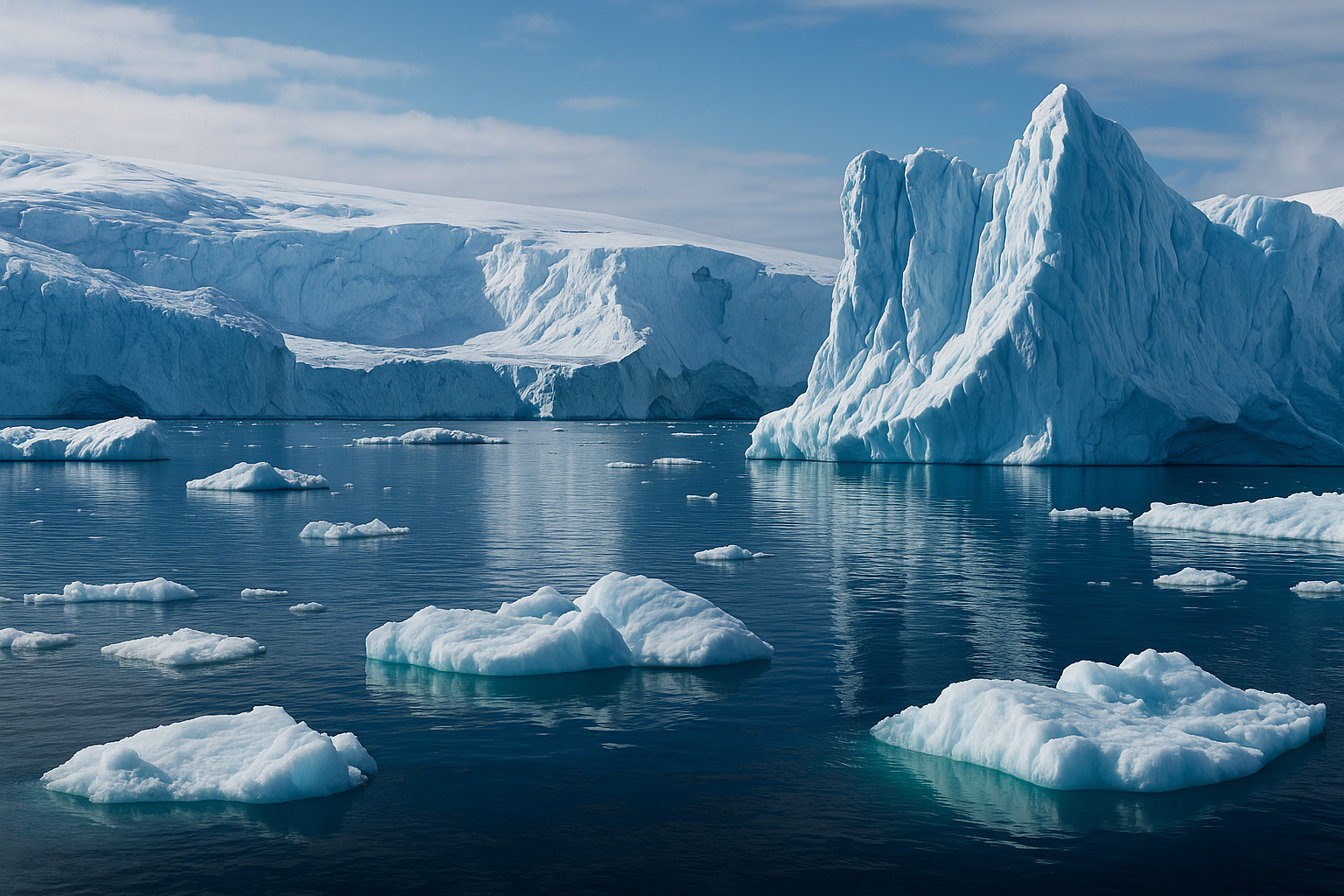
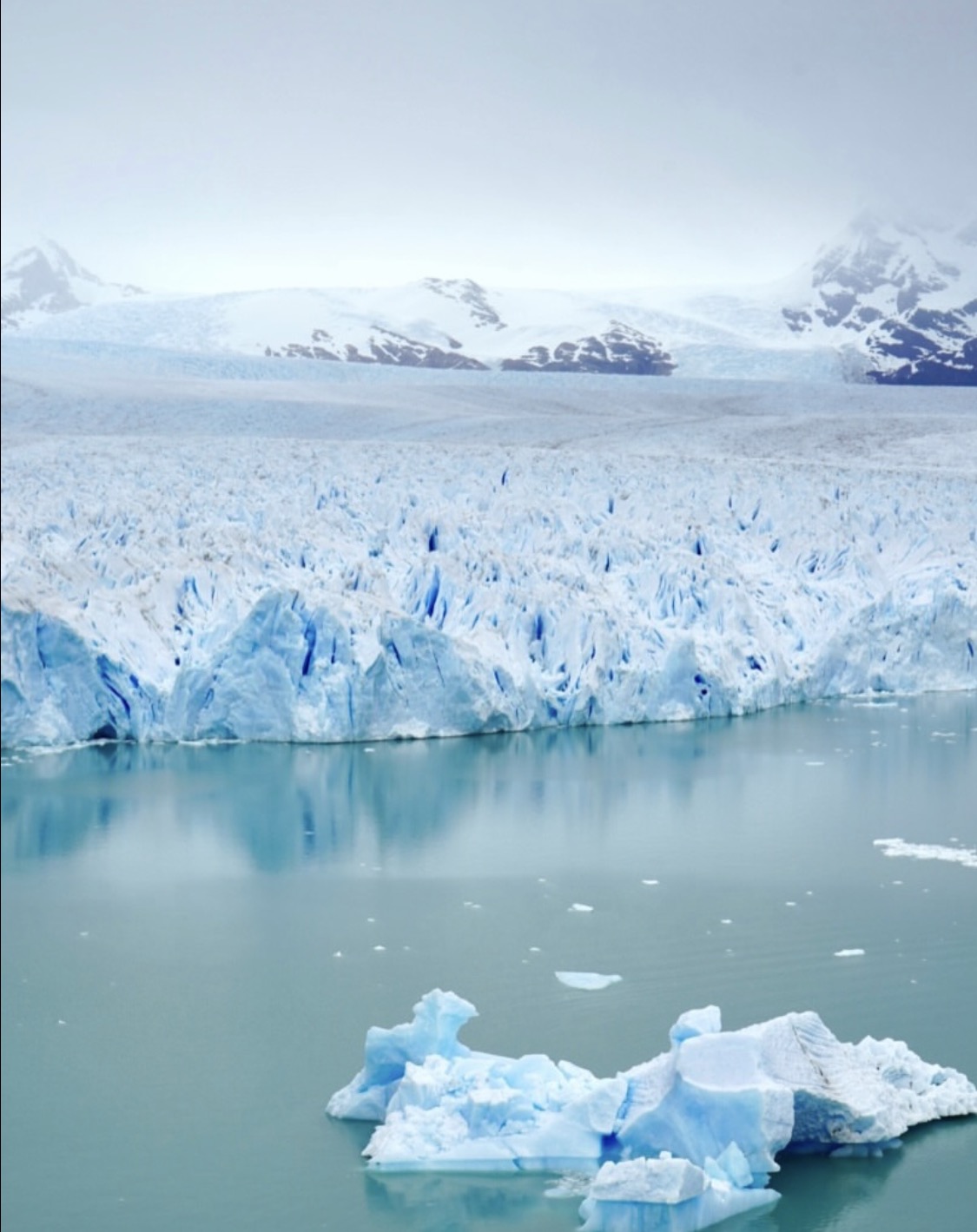
Antarctica came naturally, as the logical continuation of a progression. Dozens of Drake crossings, winters spent at Ushuaia, ice approaches, nights under a sky that never fully ends in the austral summer. You end up knowing this territory differently from a tourist: you know it through repetition, through mistakes caught just in time, through decisions that could have gone the other way.
But we kept skirting the same margins. The immensity was there, visible, tangible, never crossed in its full continuity. The question shifted: not "how far can we go" but can we close the full circle, non-stop, without assistance. Not for performance. Because it was the logical conclusion of everything that came before.
"Victory awaits him who has everything in order. Luck, people call it."
Roald Amundsen, South Pole, December 1911
Following the circumference of Antarctica south of 60°S means accepting that there is no turning back halfway. No port of refuge. No rescue within realistic reach. The loop closes, or it does not. There is no middle option.
This is not a reckless project. It is a project that takes the exact measure of what it commits to. Antarctica is not dangerous the way a difficult mountain is dangerous. It is dangerous as a closed system: once inside, options shrink as time passes.
The encounter that shifted the scale
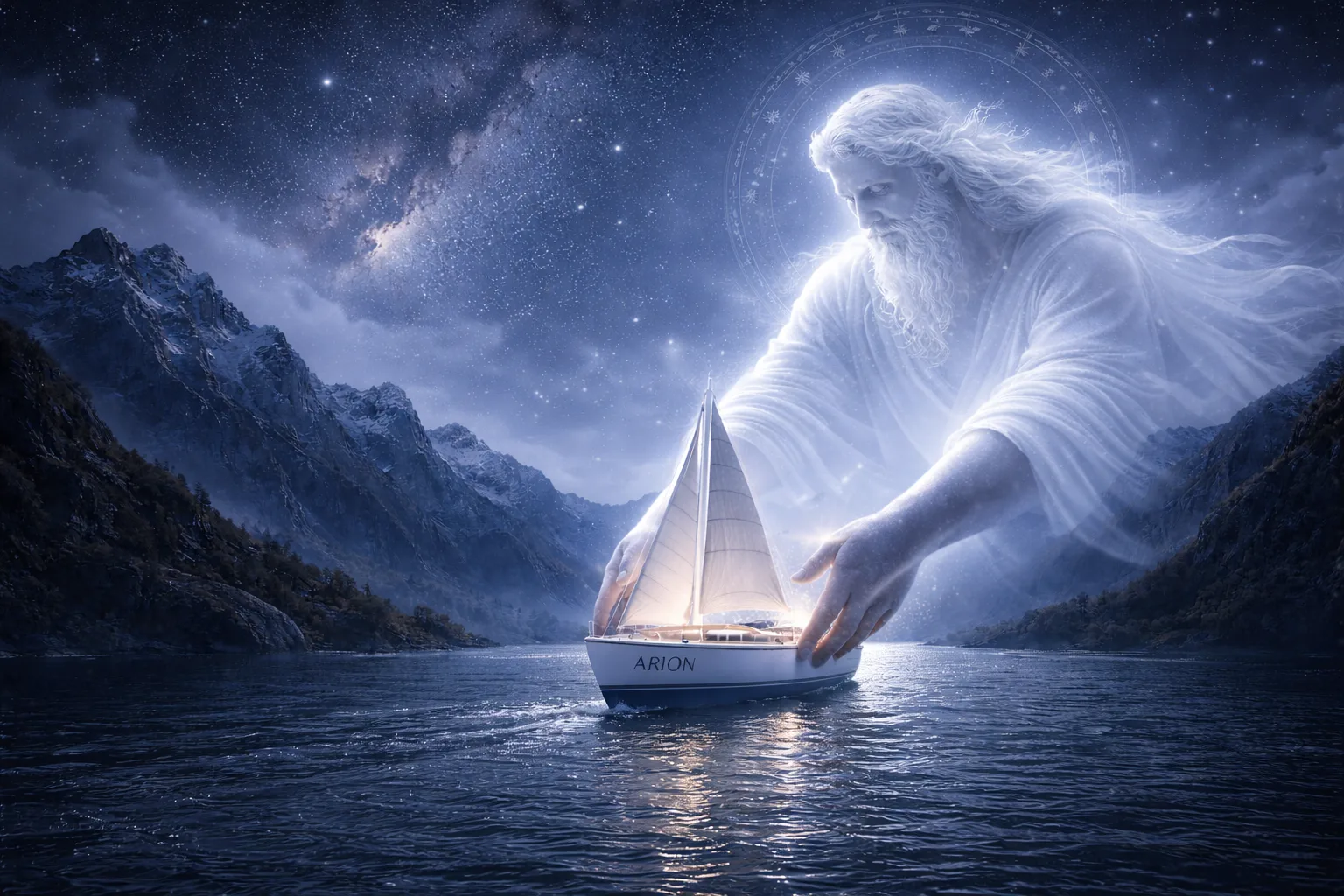
Early 2020, Ross Sea. ARION takes on a team of biologists for a long mission. Sarah is on the team. While The Captain holds the route, she holds the protocol: photo-ID, acoustics, metadata. The mission stretches, ice decides, the boat follows. One evening in the saloon, barometer steady for once, the conversation turns to what is missing from all this data: continuity. No one stays long enough around the entire continent to follow what really happens there.
The question reformulated itself. Not "how far can we go", but: what does the Southern Ocean say about its full periphery, from a continuous trajectory around the continent? The circumnavigation became self-evident. Not as a feat. As an answer.
Science within the margins of seamanship
Sarah, marine biologist, worked in the Ross Sea on the large mammals of southern latitudes: Type D orcas, Antarctic baleen whales, species whose migration corridors and behaviours remain poorly documented because no one spends long enough in these zones to build continuous data sets.
The circumnavigation changes that. A single ocean, five sectors, an unbroken trajectory around the continent. For the first time, biological and oceanographic data collected across the full Antarctic periphery from a single sailboat, by the same observer, under the same operational conditions. Not spectacular science: useful science, continuity data where none currently exists.
Physical parameters, bioacoustics, visual observations, sampling: every protocol is designed to be executable by two people, in cold and swell, without pulling the boat away from safety priorities. Data will be fed in real time to the expedition's Data Hub, accessible to scientific partners and donors.
Science does not command the seamanship. The protocol bends to the watch, not the other way round: observe when it is right, document when it is possible, the boat always remaining the priority.
South of 60°S, every day is a decision
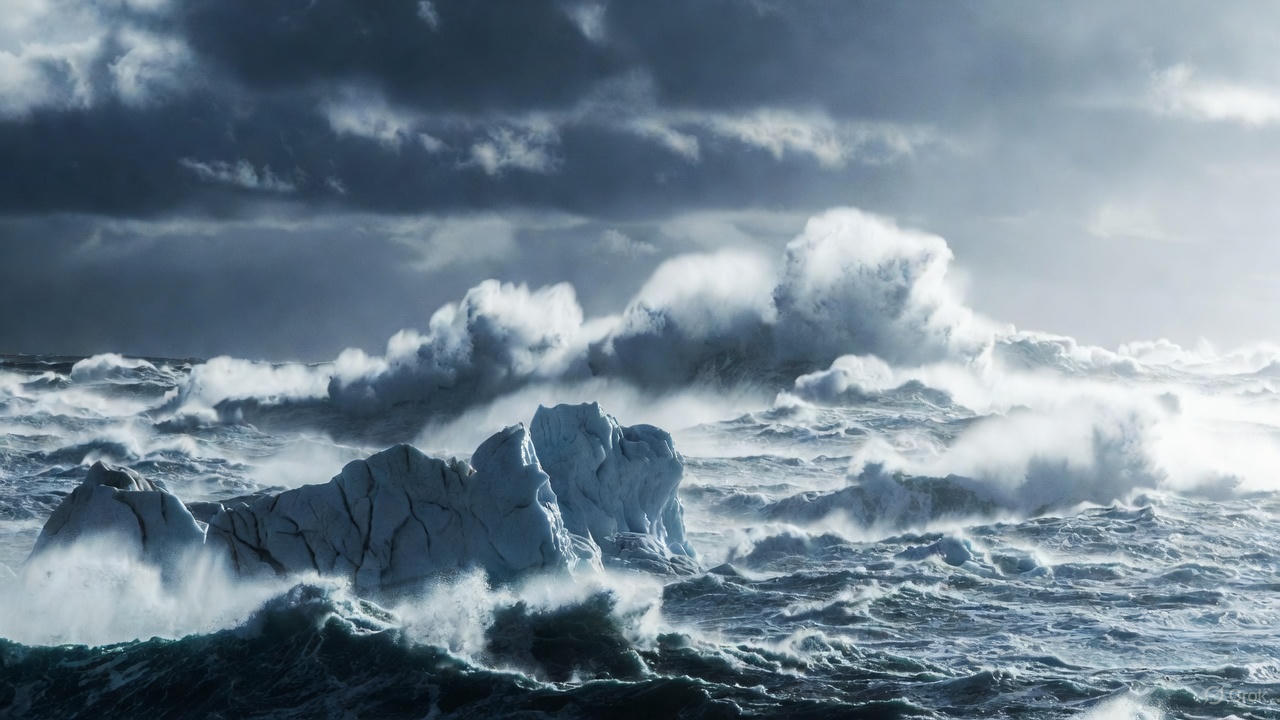
The logic of comfort would have you climb back up a notch, into the Furious Fifties. But even there, you are already in a zone most sailors will never see: the sea does not settle, the lows give no respite. And it is only an antechamber.
South of the Screaming Sixties, the problem changes in nature. It is no longer just the sea: it is the isolation. No inhabited coast across 360° of longitude, no rescue within reach. This state must be held twenty thousand miles in a row, without ever leaving it. That is precisely what nobody does.
The nearest icebreaker is several days away, sometimes weeks, from any position south of 60°S. In degraded conditions, no realistic delay exists. A rudder failure means a repair to be carried out alone, in cold and roll, with what is on board. An injured crewmember means a medical emergency 2,000 miles from the first surgeon. Here, every decision counts double.
"Difficulties are just things to overcome, after all."
Ernest Shackleton, Weddell Sea, 1915
This is why preparing ARION is not a luxury: it is the condition of continuity. Every redundant system, every spare part identified, every procedure rehearsed until automatic: so many margins the sea will not give. In the South, improvisation costs. Rigour, on the other hand, stays.