Genesis

Onboard science

Permits

Patagonia

ARION

Sailing in Antarctica is not routine

No sea is safe. Antarctica, less than any other. If certain itineraries repeat season after season, it is not because the South is predictable: it is because access is strictly regulated.

After years of sailing there (and two southern campaigns shared together), one reality became impossible to ignore: we were always skirting the edges of an immense territory. One evening, almost without solemnity, the question stopped being theoretical: what if, instead of entering it in fragments, we followed its circle — just once?

Odyssey of AION was born that way. And if there is to be a circumnavigation, it will be in Antarctica: south of 60°S — where this sea becomes fully itself.
Story

A simple decision, a committing route

The idea was not born from a slogan or a fantasy of performance. It was born from repetition: returning South, manoeuvring, waiting for the window, leaving again — and realising that we were often sailing within permitted perimeters rather than the immensity itself.

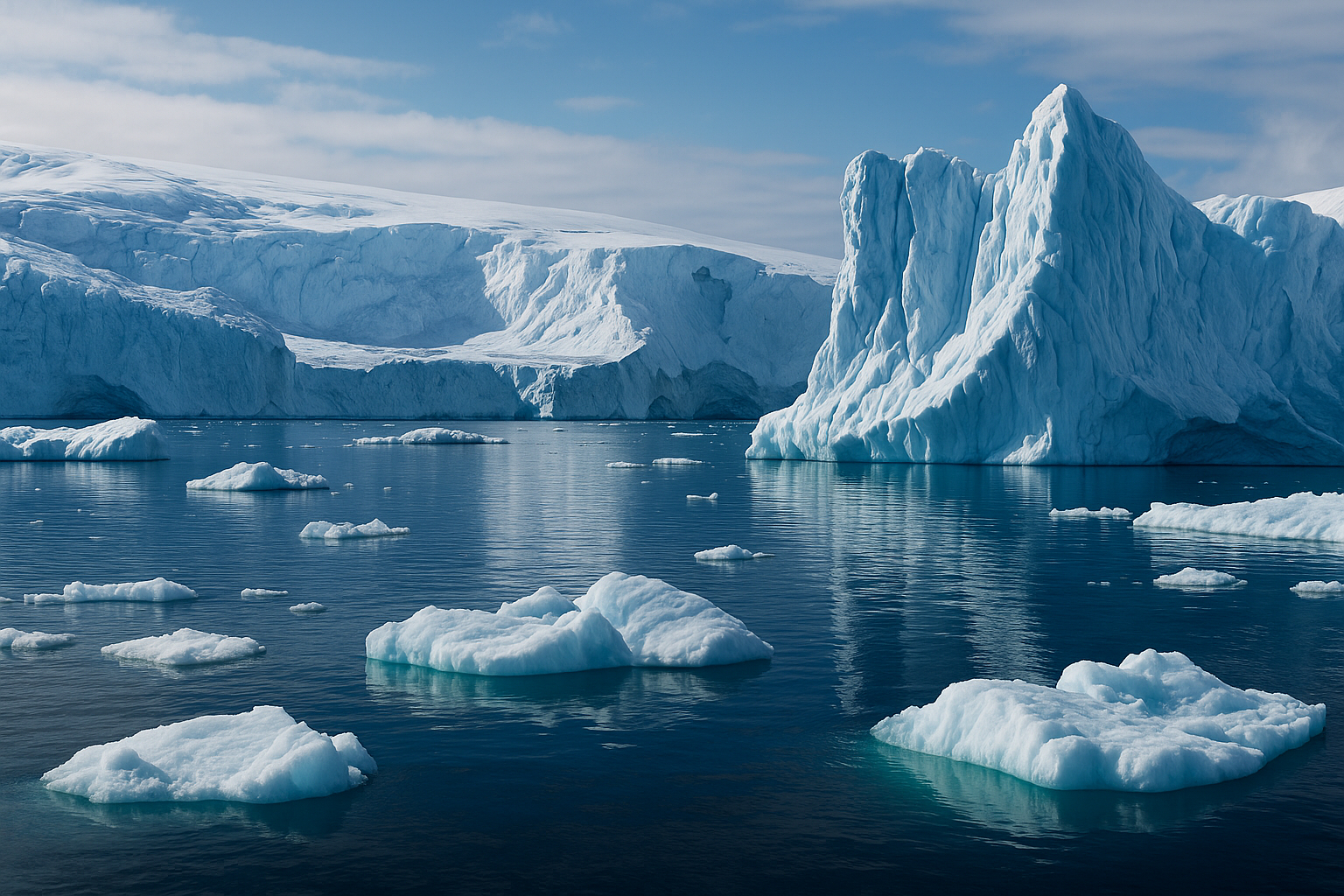
Antarctica — opening
Antarctica is not a backdrop: it is a system. You don't "pass through" it — you hold, or you retreat.
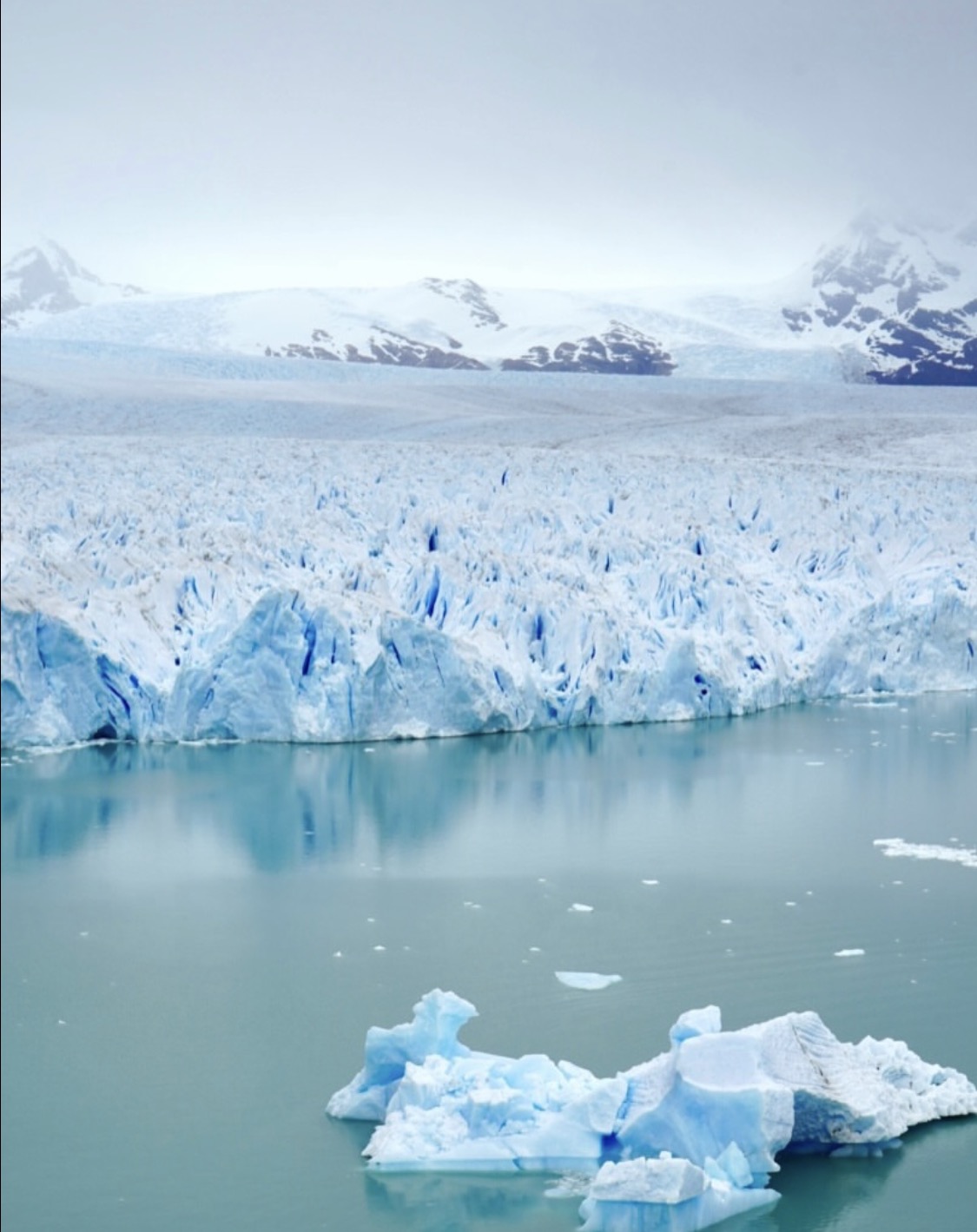
Patagonia — channels and ice
Patagonia: the school. The last terrain where mistakes cost — without becoming irreversible.

Why do "the same itineraries" keep recurring?

Let's be clear: to speak of "safe routes" would be a mistake. In Antarctica, nothing is safe. Even a calm day can tip into a critical situation. If certain itineraries recur, it is for a simpler and more decisive reason: access is regulated, and permits for tourist vessels concentrate on defined zones.

This does not make those zones easy. It makes them permitted and workable within an operational framework. When you return season after season, you quickly understand that you are exploring less of Antarctica than you are skirting a portion of it — because that is where law, procedures and logistical reality make sailing possible.

"In Antarctica, a permit does not protect you from the South. It merely confirms that you bear the responsibility of being worthy of it."

It was in this context that one evening, after our second Antarctic campaign together, the sentence was simple: let's go all the way round — at least once. Not to "do something different", but because Antarctica, for us, does not reduce to a few access corridors. A circumnavigation only makes sense if it is done in Antarctica — south of 60°S.

Science within the margins of seamanship

Sarah Rose is an Australian marine biologist. Her experience in the Ross Sea did not "add a theme": it imposed a constraint of scale. At these latitudes, certain presences recur — Type D orcas, large Antarctic whales, behaviours still poorly documented — and it quickly becomes clear that occasional observation is insufficient.

The question is not "to see". The question is to connect: continuities, breaks, corridors, regions, seasons. What does the Southern Ocean tell us when we stop approaching it from a single sector and accept to follow its periphery? This question gives the project a rare coherence — without ever attenuating the reality of the challenge.

Rule

Science does not command the seamanship. The protocol bends to the watch, not the reverse: observe when it is right, document when it is possible, the boat always remaining the priority.

Permits: the filter that precedes the sea

Antarctica is not a space one traverses freely. Before even sailing, one must answer a central question: can this project proceed without transferring its risk to others? Beyond a certain southern latitude, assistance is rare, slow, sometimes impossible. A mistake quickly becomes a public problem.

Permits are long and demanding. They transform intention into organisation: communications, procedures, waste management, energy autonomy, capacity to remain operational in the cold, and to decide to turn back when the sea dictates it. In our case, the presence of a scientific programme led by Sarah strengthened the solidity of the application — without lightening the fundamental constraint: to be beyond reproach.

A permit is not a blank cheque. It is an obligation of rigour.

Contact
South — scale shifts
South of the Sixties, continuing becomes a decision — every day, with no guarantee.

Fieldwork

Patagonia: the school before the irreversible

Before Antarctica, there is Patagonia. Already a hard sea: winds accelerated by the terrain, brutal squalls, marked currents, technical anchorages, repeated manoeuvres. Here, mistakes cost. But they remain, most of the time, recoverable.

We will sail there over time to stabilise our working rhythm as two: reliable routines, manoeuvre sequences, economic gestures, checks that become automatic. The goal is simple: to leave those channels with fluid coordination and natural procedures, even when pressure mounts.

Glacier approaches, drifting ice, katabatic gusts, tight zones: the aim is not to seek exposure, but to make these situations readable. Because in the South, you don't "manage" the surprise: you reduce the surprise.

Quote

"Power is not comfort. It is a reserve of action: regaining way, countering a current, clearing a lee shore, maintaining control when conditions close in."

Platform

ARION: staying repairable when everything wears

In a polar expedition, the yacht is not a symbol. It is the tool for survival, work and return. It must remain manoeuvrable when loaded, heatable, maintainable, and above all repairable when sea and cold make every intervention costly.

ARION's preparation follows a logic of control: maintenance access, vital redundancies, organisation, frugal use. Everything that breaks must be accessible. Everything vital must have a plan B. Everything that consumes must be justified. Not to "dominate" the South, but to prevent the technical from ultimately dictating the decisions.

Repairability

  • Direct access to systems.
  • Critical spares identified.
  • Gestures achievable in cold sea.

Energy / heat

  • Heating as safety.
  • Moisture treated as a risk.
  • Realistic, not theoretical, autonomy.

Useful redundancies

  • Energy, steering, heating, communications.
  • Prioritise the useful, not the "reassuring".
  • Stay capable when things close in.

ARION in detail: polar preparation, autonomy, operational logic.

Discover ARION

Naming

AION & ARION: two reminders, not a signature

The names imposed themselves as reference points, not as decoration. They summarise a discipline.

ARION, the mount: the one that carries and protects, the one that must remain repairable as wear sets in. AION, the time of cycles: the one that reminds us that success depends less on a moment than on a succession of sound decisions — made at the right time, repeated, held.

Rule

To name, here, is to remind oneself of a discipline: stay lucid, stay sober, stay capable — when the sea imposes its rhythm.

Contextualised data and series.

Access the Data Hub

Documentary

The film: showing the real cost of the South

The film does not seek heroism. It documents the real: watches, manoeuvres, repairs, weather waits, trade-offs, fatigue — and that austere beauty that exists precisely because it cannot be tamed. To show becomes proof: the terrain as it is, and what it demands.

Intent, format, excerpts and distribution.

Discover the film